Mirar para contarnos
Video art and school coexistence through collective creation
Tectónica Cultural in collaboration with Davinia Fillol
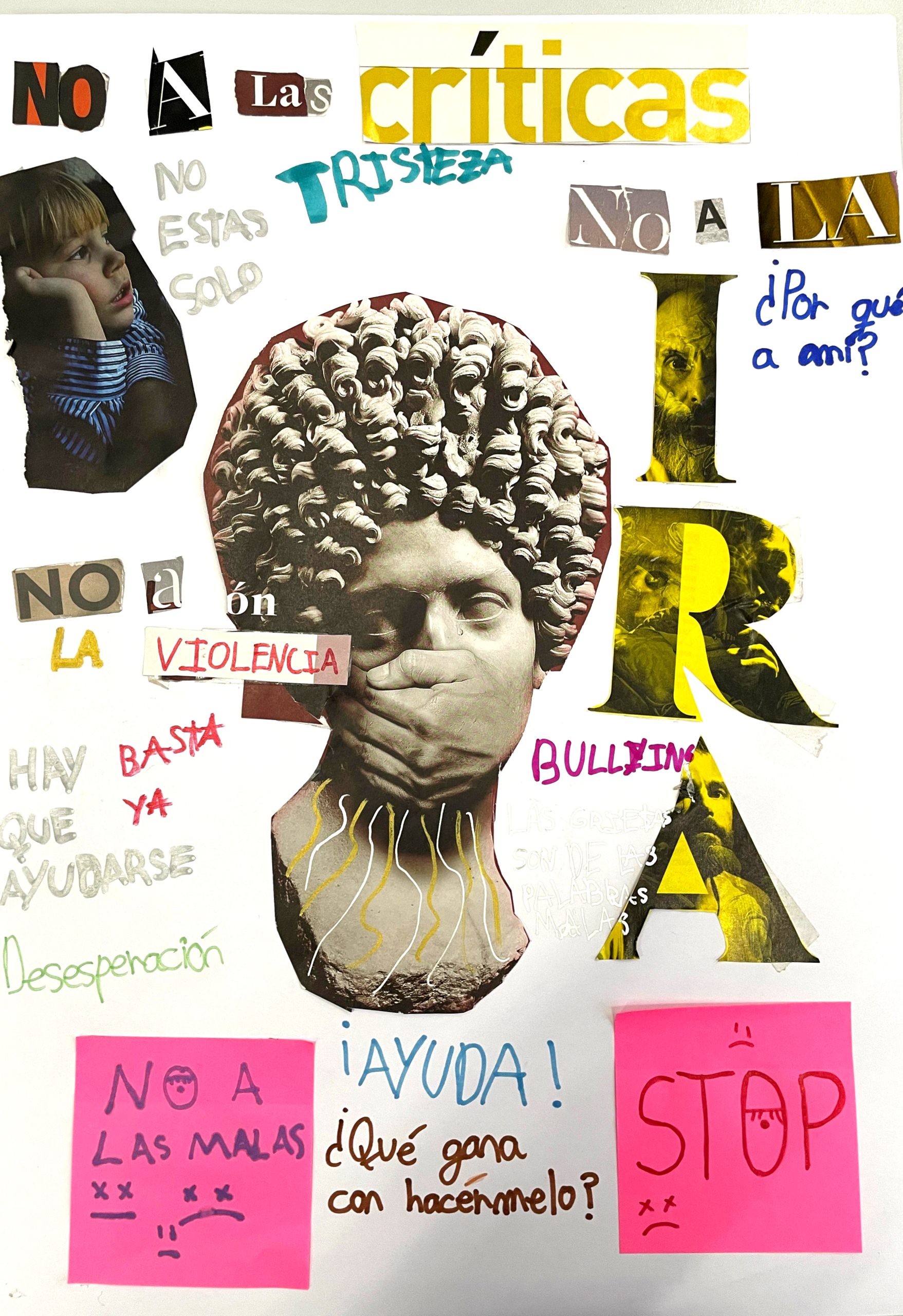
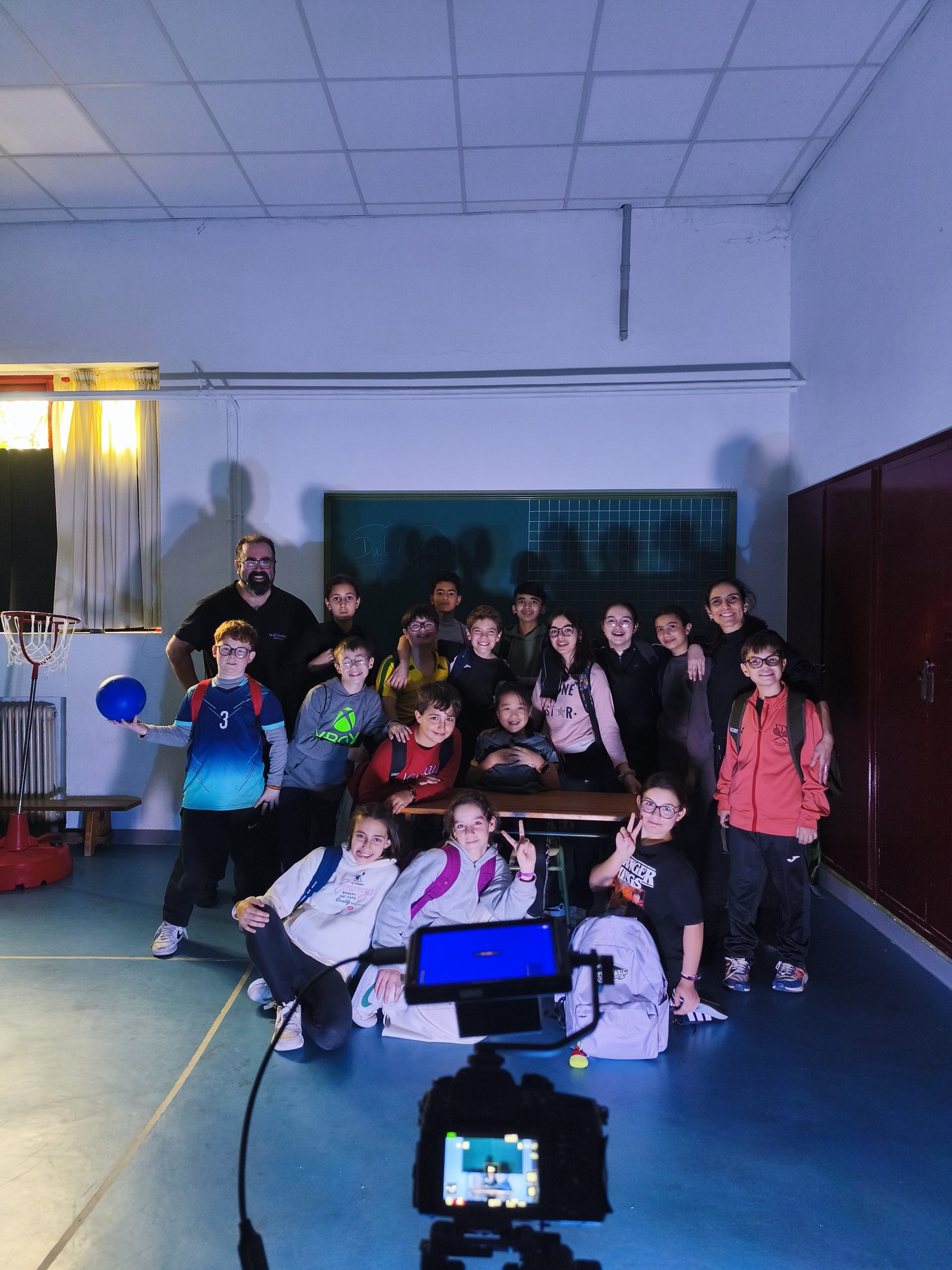
Mirar para contarnos is a video art and educational mediation project that invites students to look directly at what is often difficult to name in the classroom: coexistence, silence, belonging, and the wounds of bullying. Through a guided creative process, students transform emotions and situations into images, gestures, light, and words, creating a collective audiovisual piece that becomes a lasting educational resource for the school.
The project takes place at CEIP Alcázar y Serrano (Caudete, Albacete) with artist Davinia Fillol, with Tectónica Cultural collaborating on coordination and mediation. It is funded by the Art and Education grant from the Government of Castilla-La Mancha.
What Tectónica Cultural contributes
We support the project’s pedagogical design, coordinate with the school, and provide cultural mediation throughout the process. We take care of educational structure, documentation, and evaluation so the artistic work has continuity, emotional safety, and a clear return for teachers, families, and the school community.
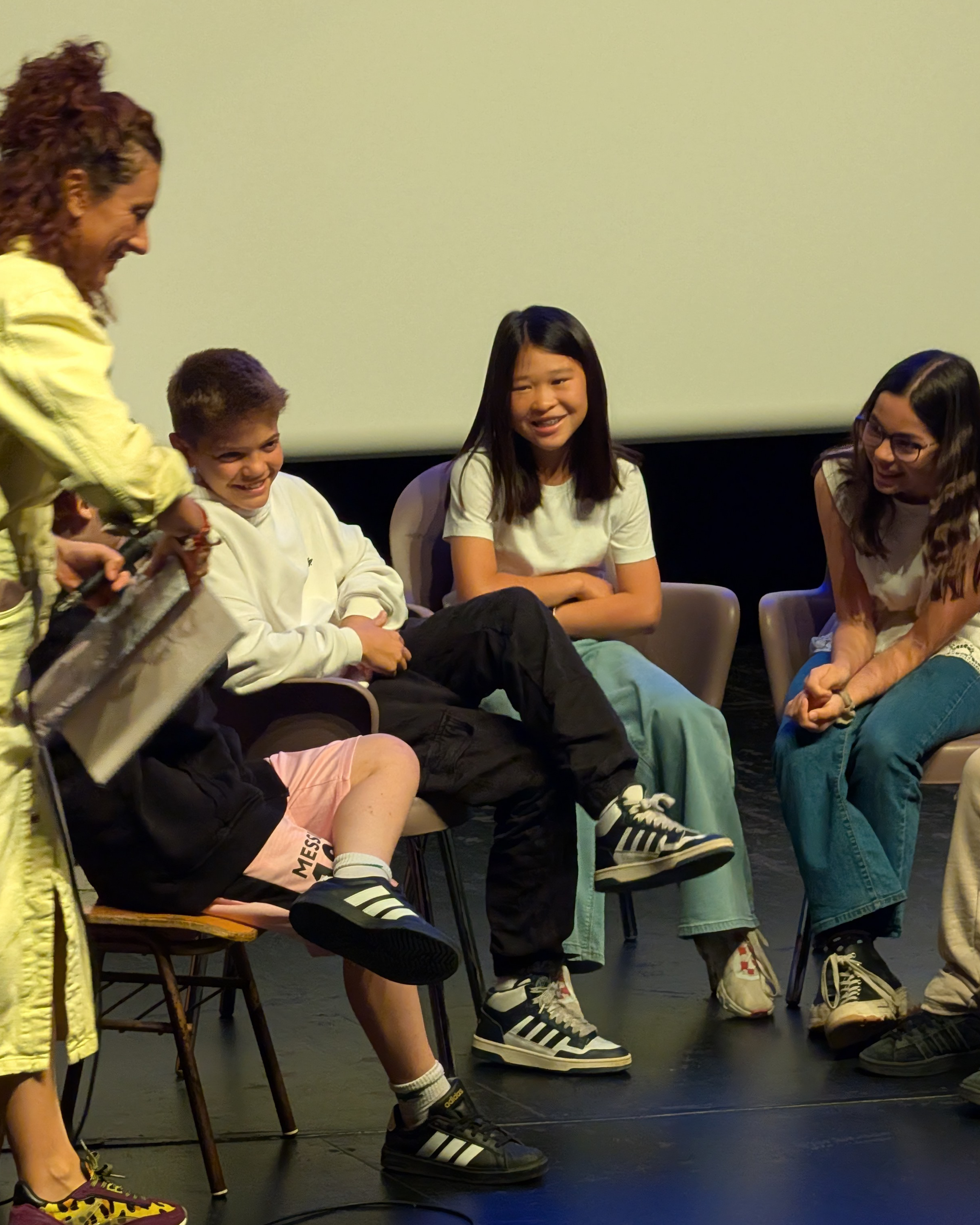
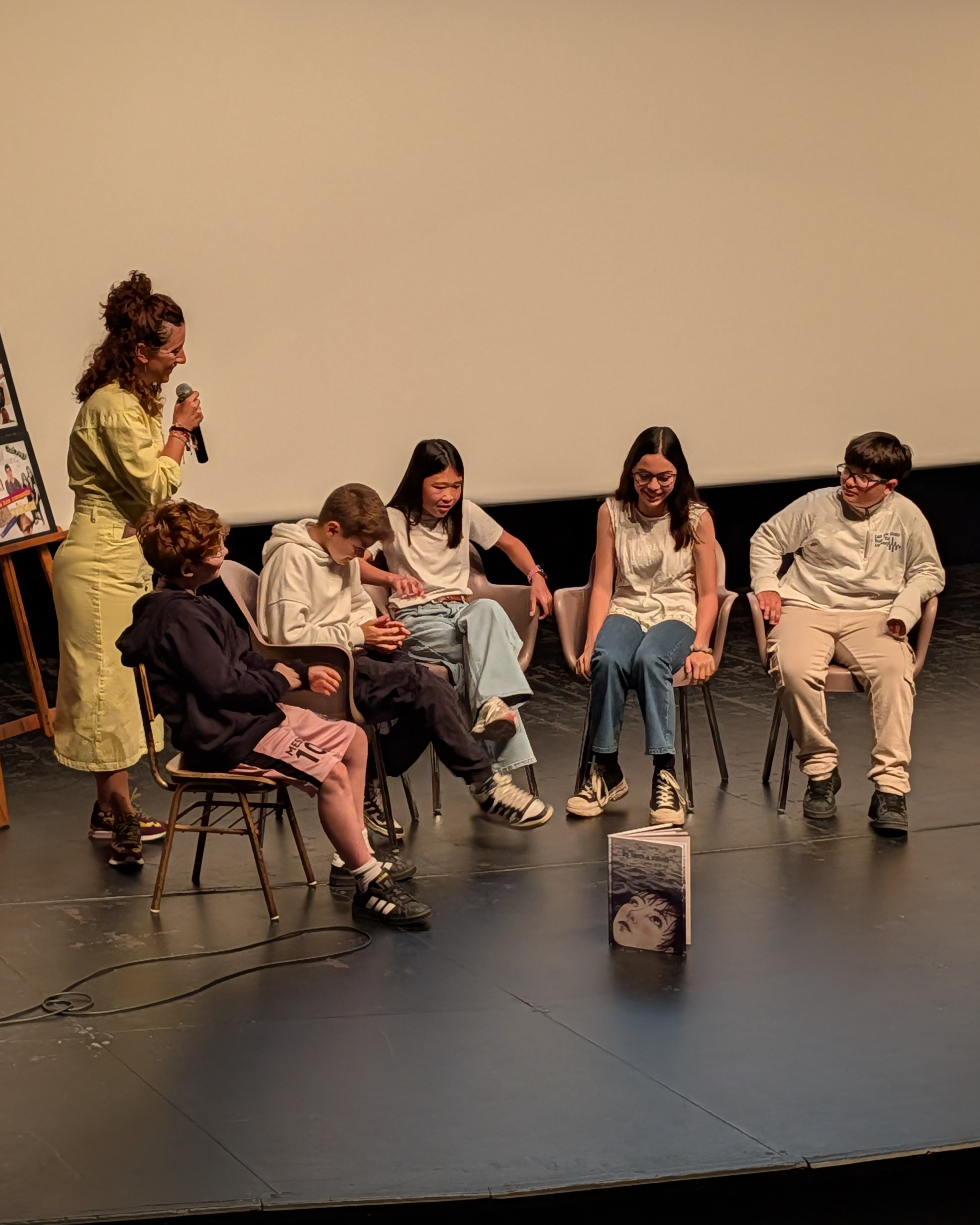
How the process works
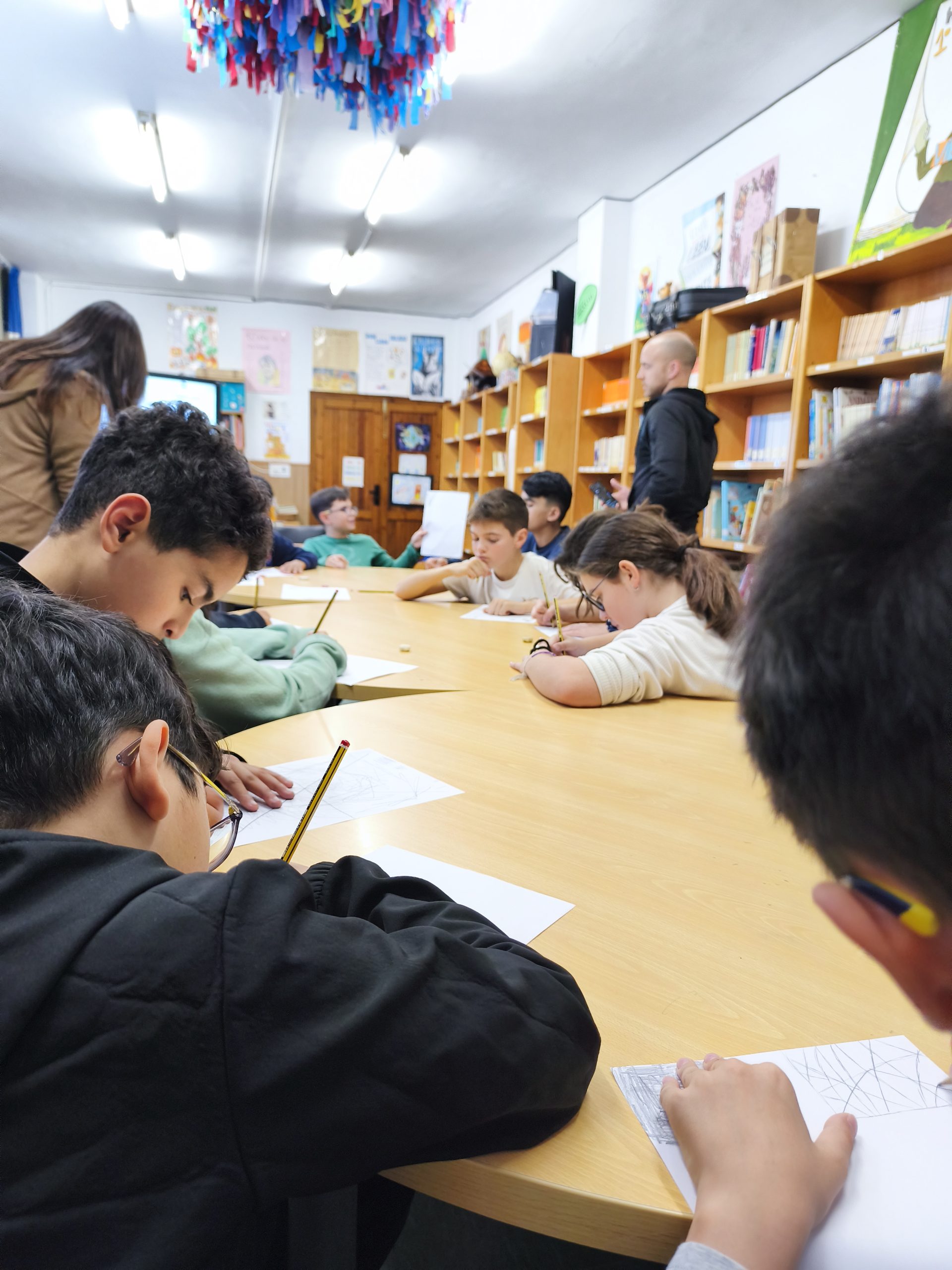
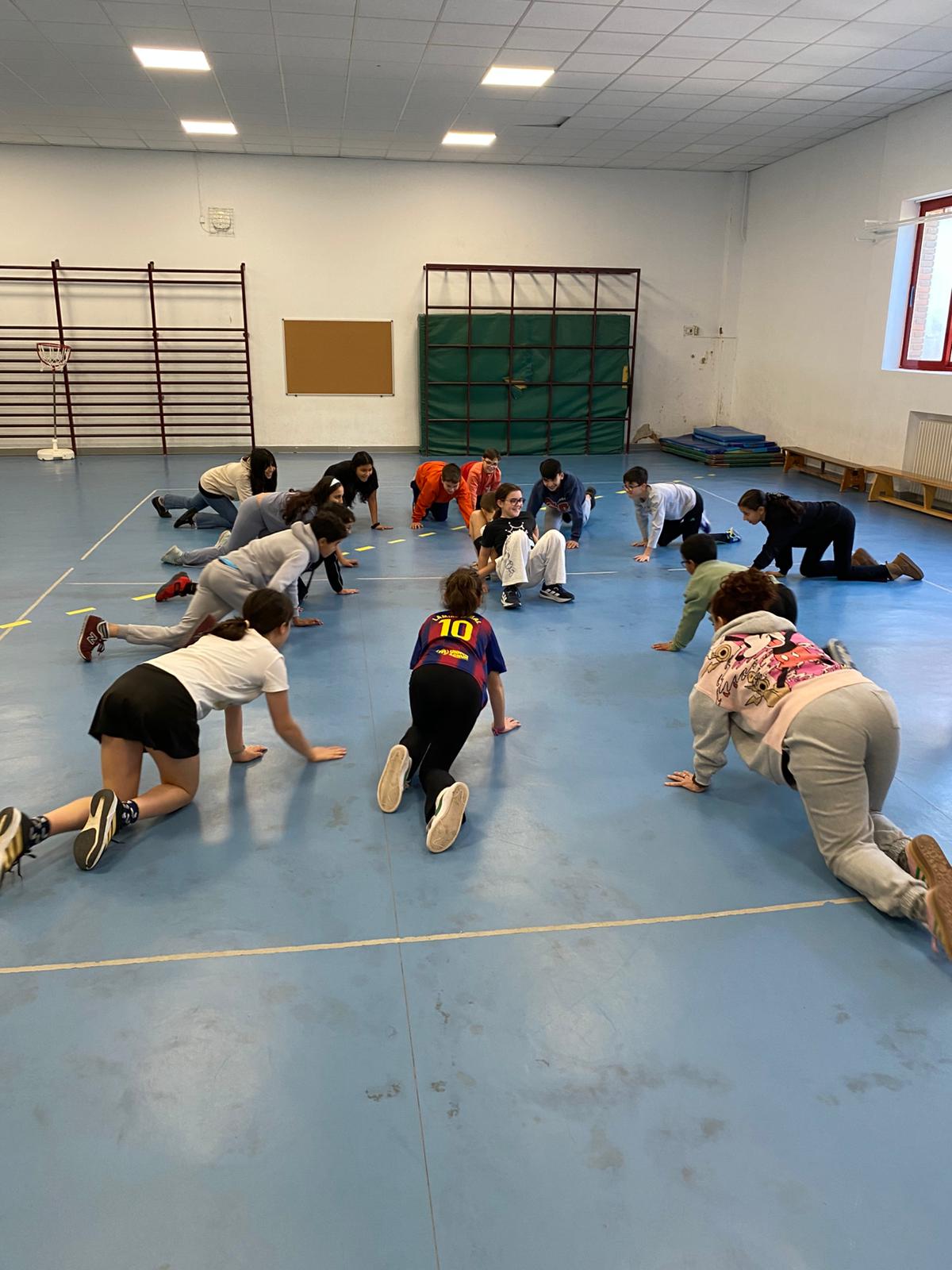
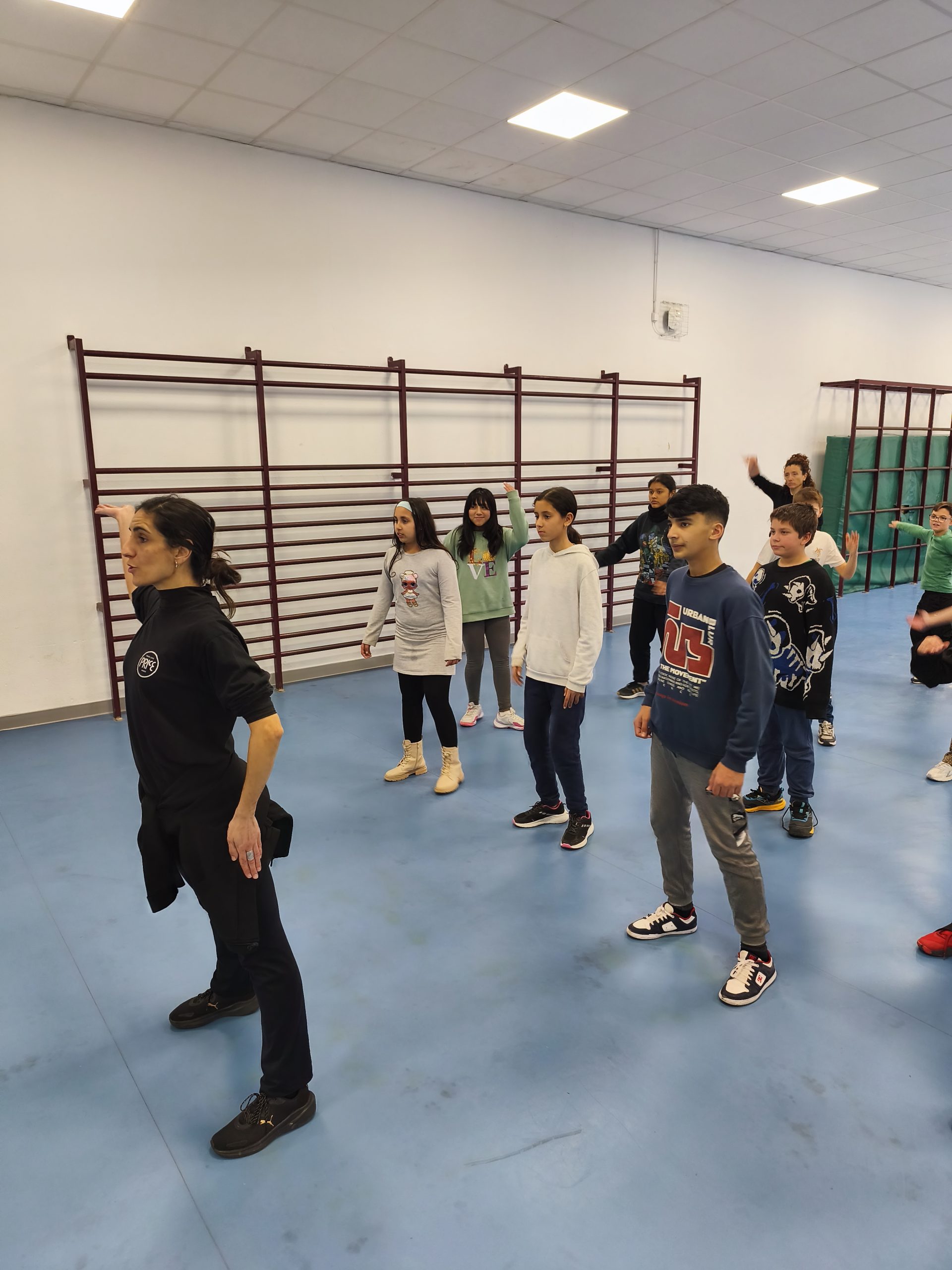
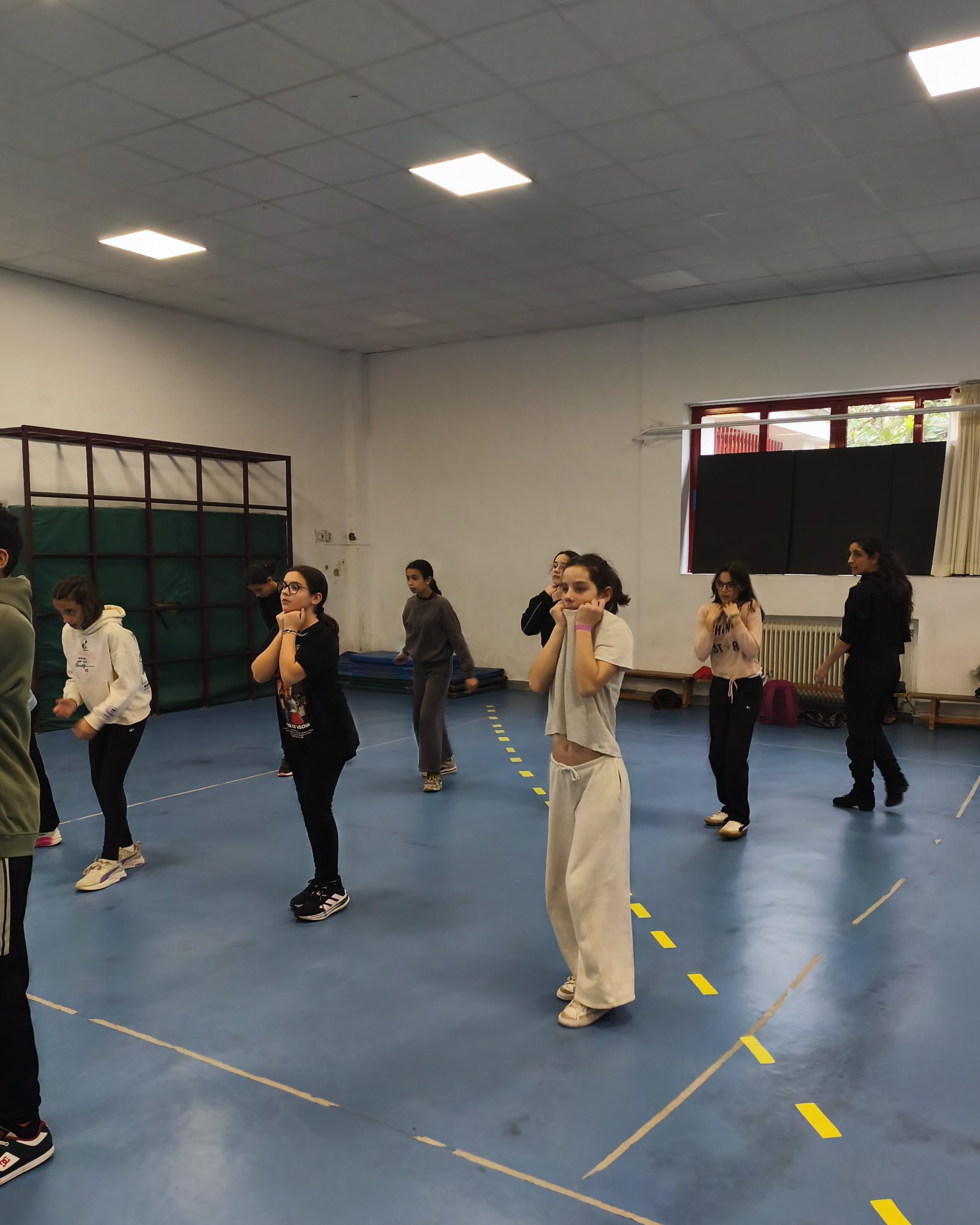
The starting point is a guided reading of the book De lunes a viernes antes de las tres, which acts as a narrative and emotional trigger. From scenes, metaphors, and emotions, the group develops a visual poem-script and translates it into a contemporary language: body, gesture, shadows, light, and silence. The goal is not to single anyone out, but to create a space where students can express themselves without direct personal exposure.
Project phases
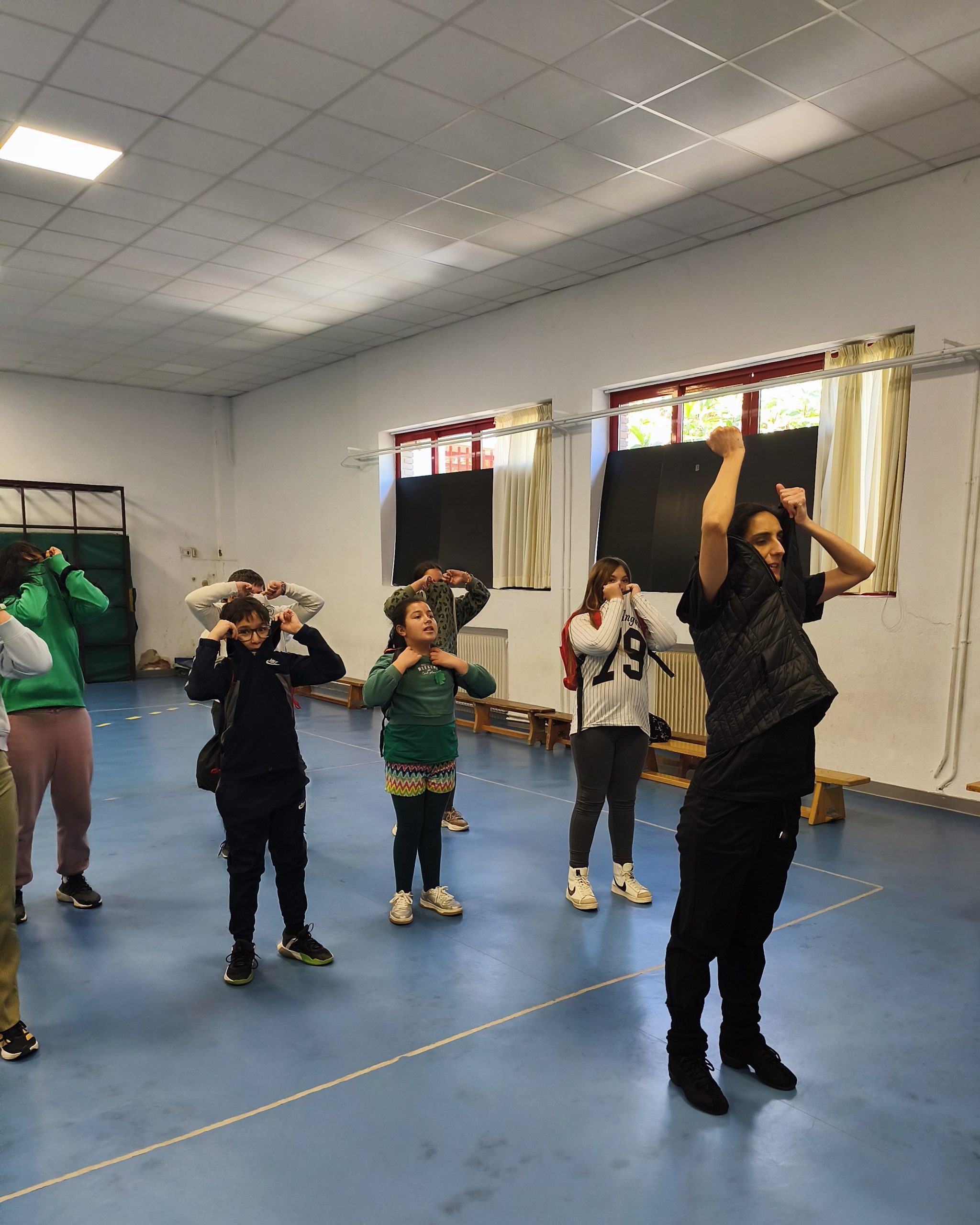
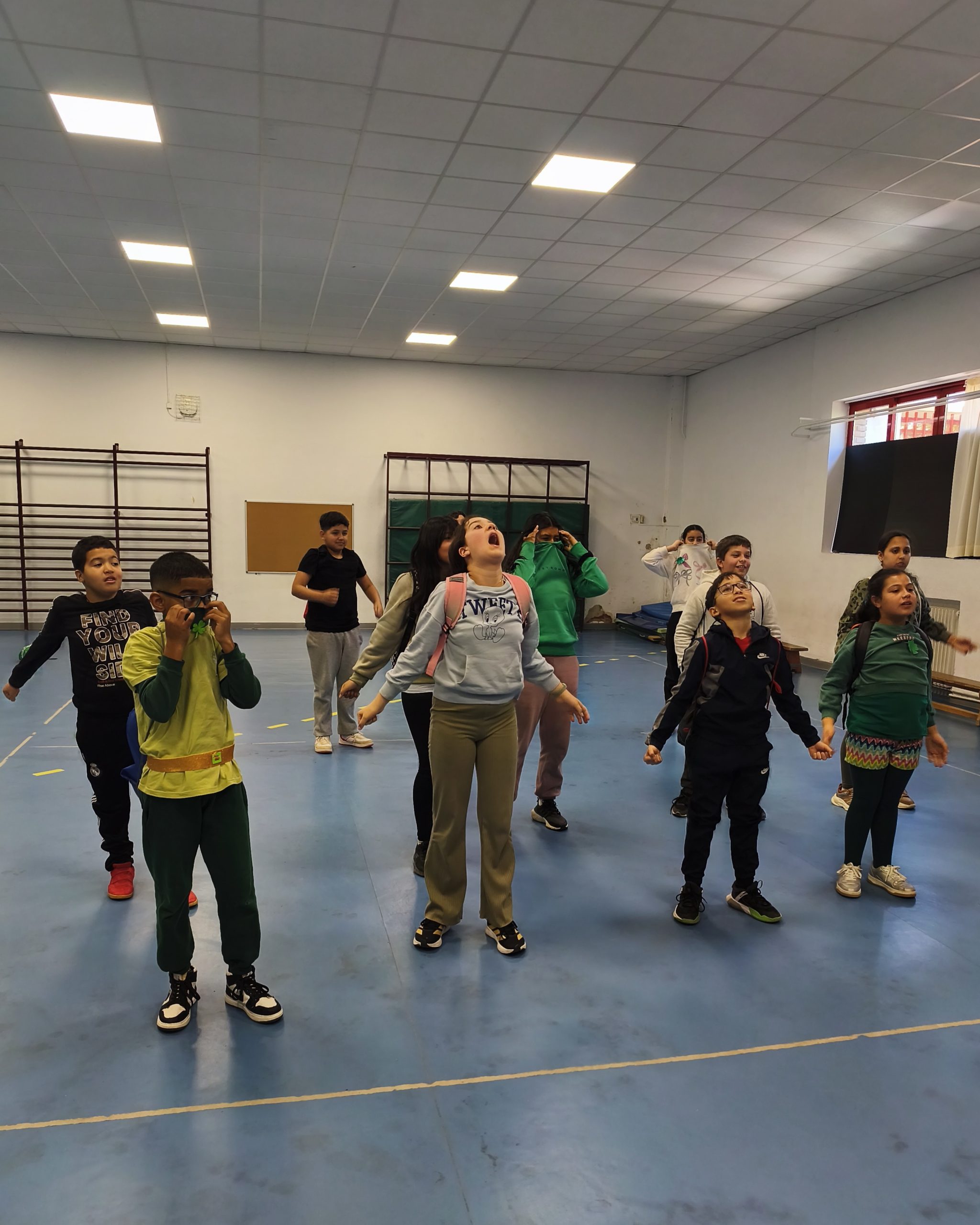
- Sensory activation and awareness: listening, group dynamics, and a first approach to the topic through artistic languages.
- Creative reading and poetic script: reading, identifying emotions, and writing the collective script.
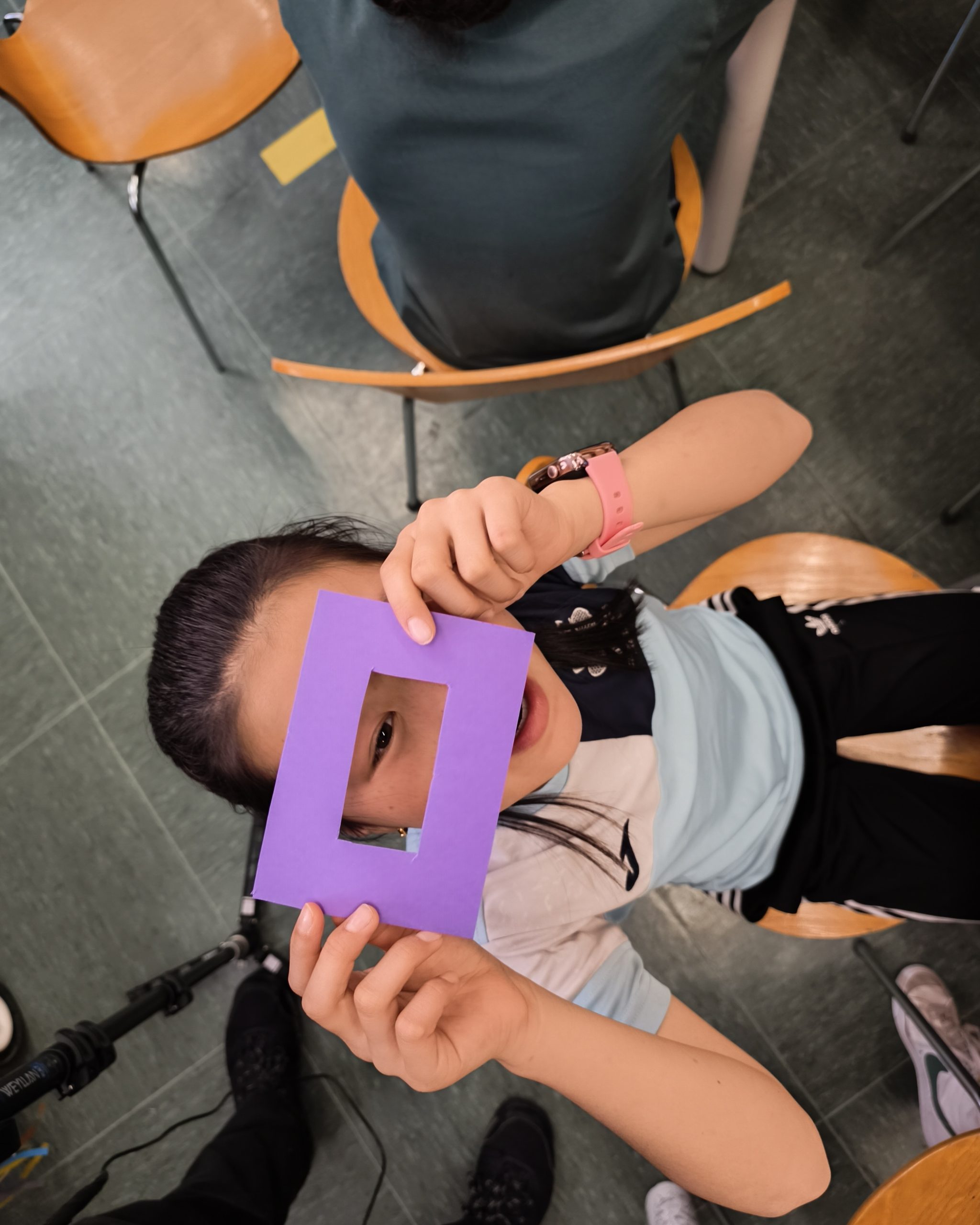
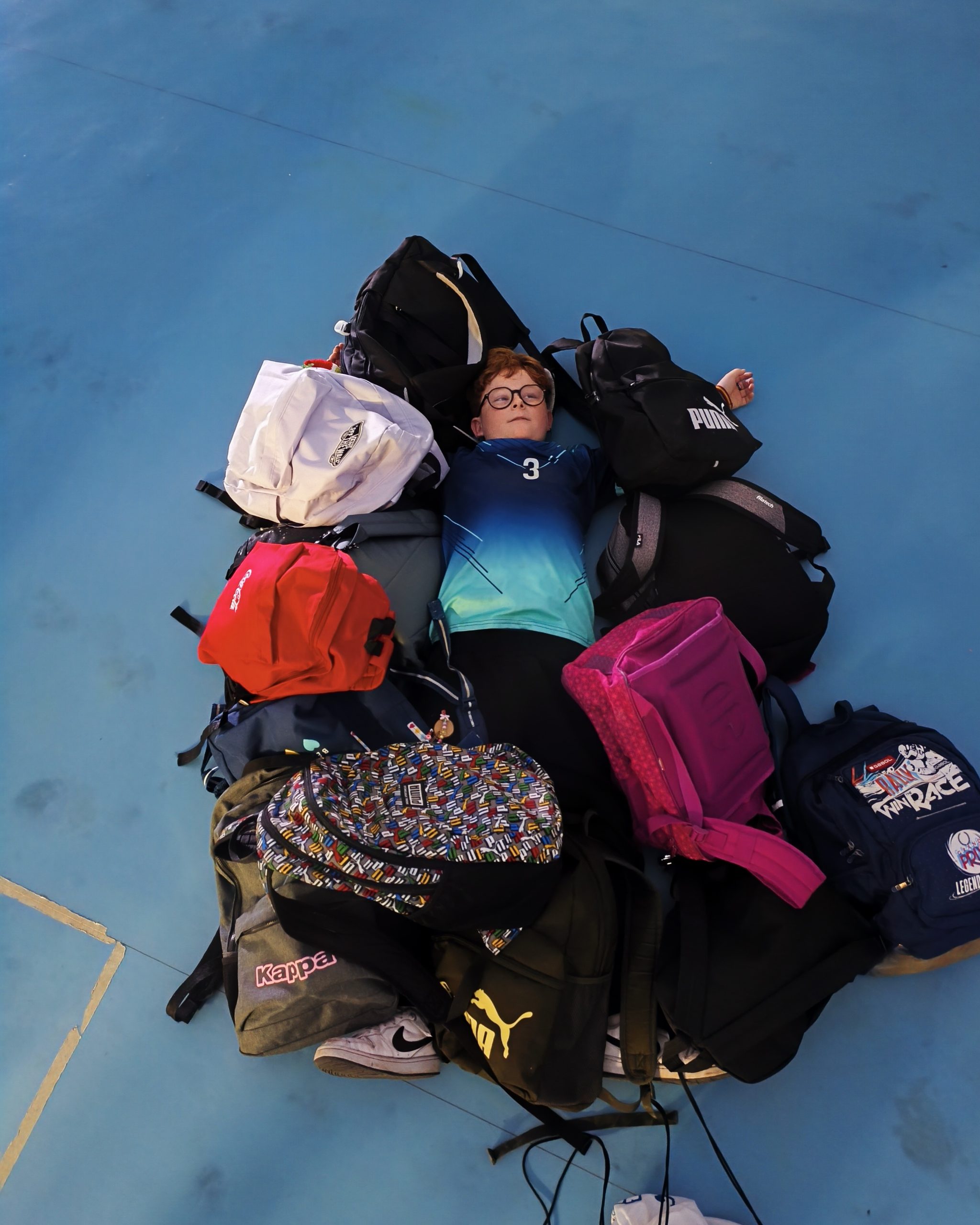
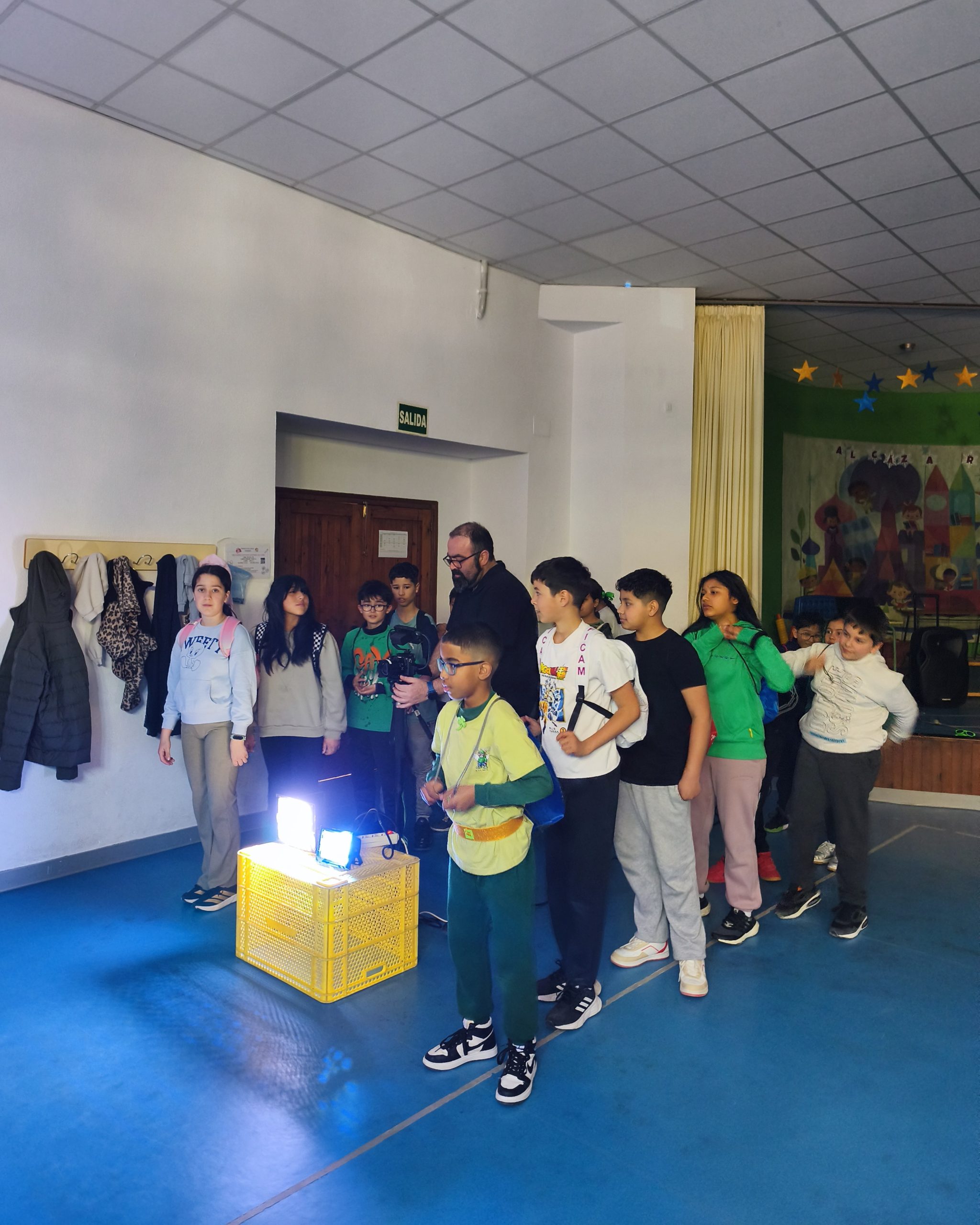
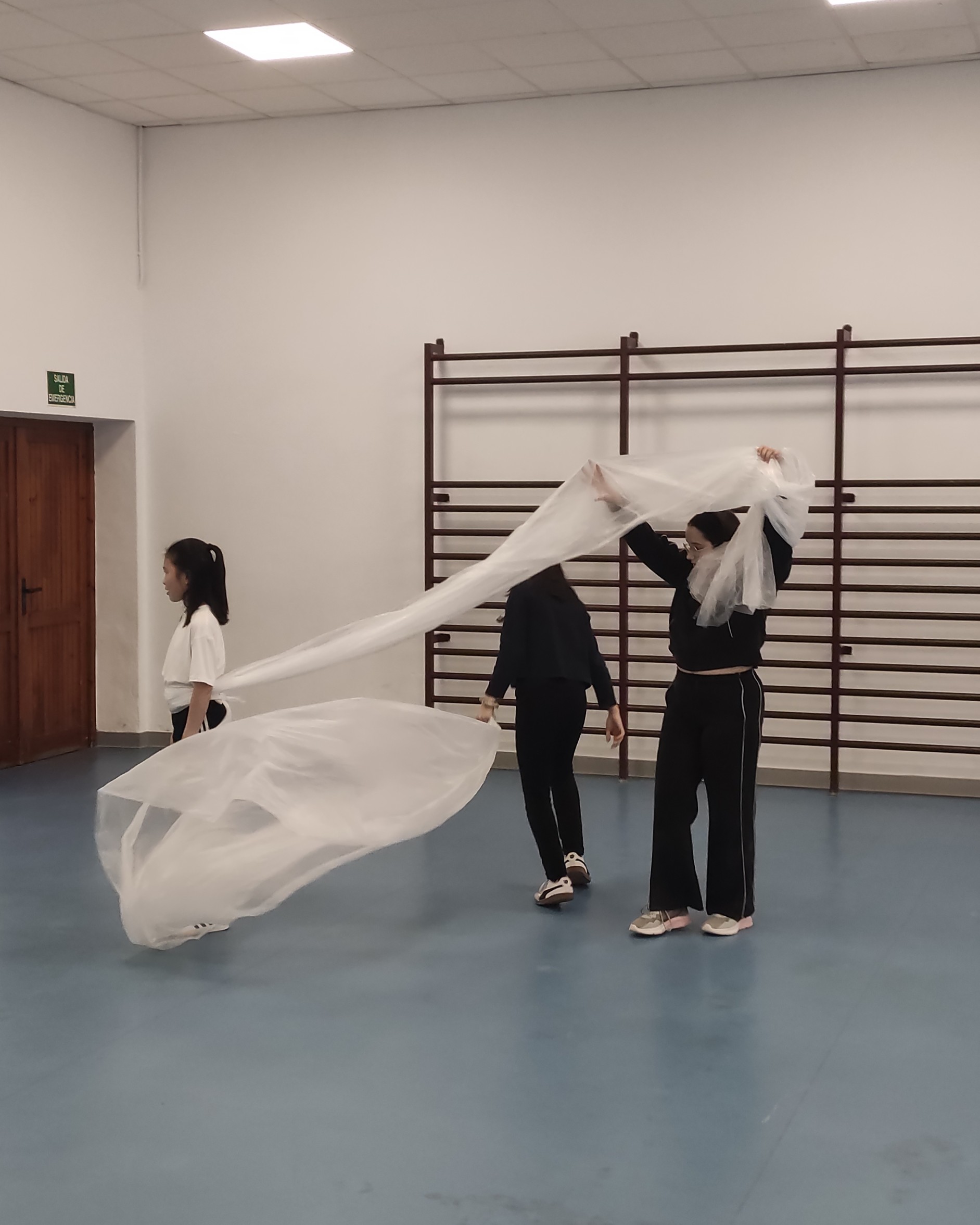
- Body and visual laboratory: exploring gesture, micro-actions, visual composition, and work with light and shadow.
- Filming: shooting the video art piece with audiovisual technical support.
- Editing and post-production: professional edit supervised by the artist.
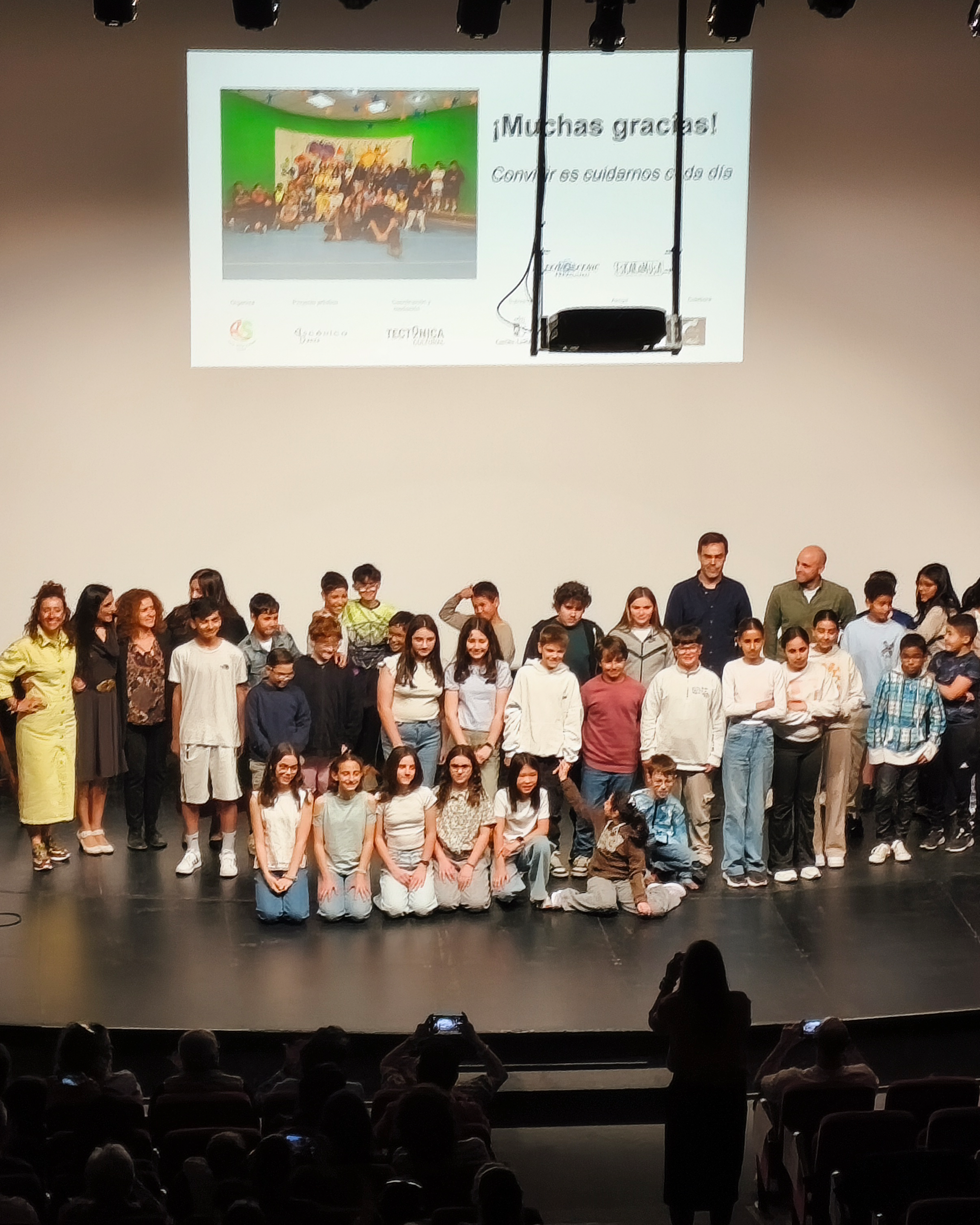
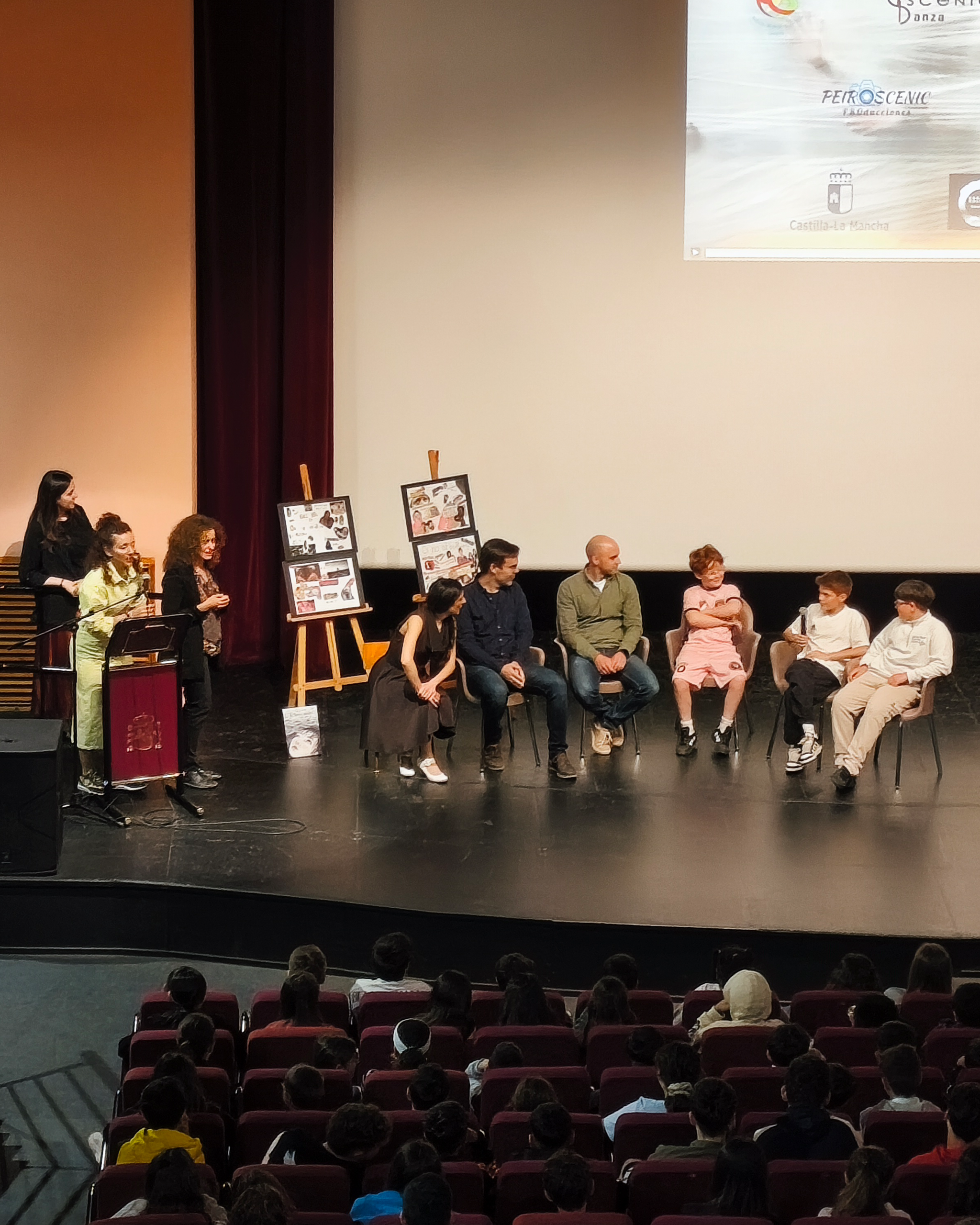
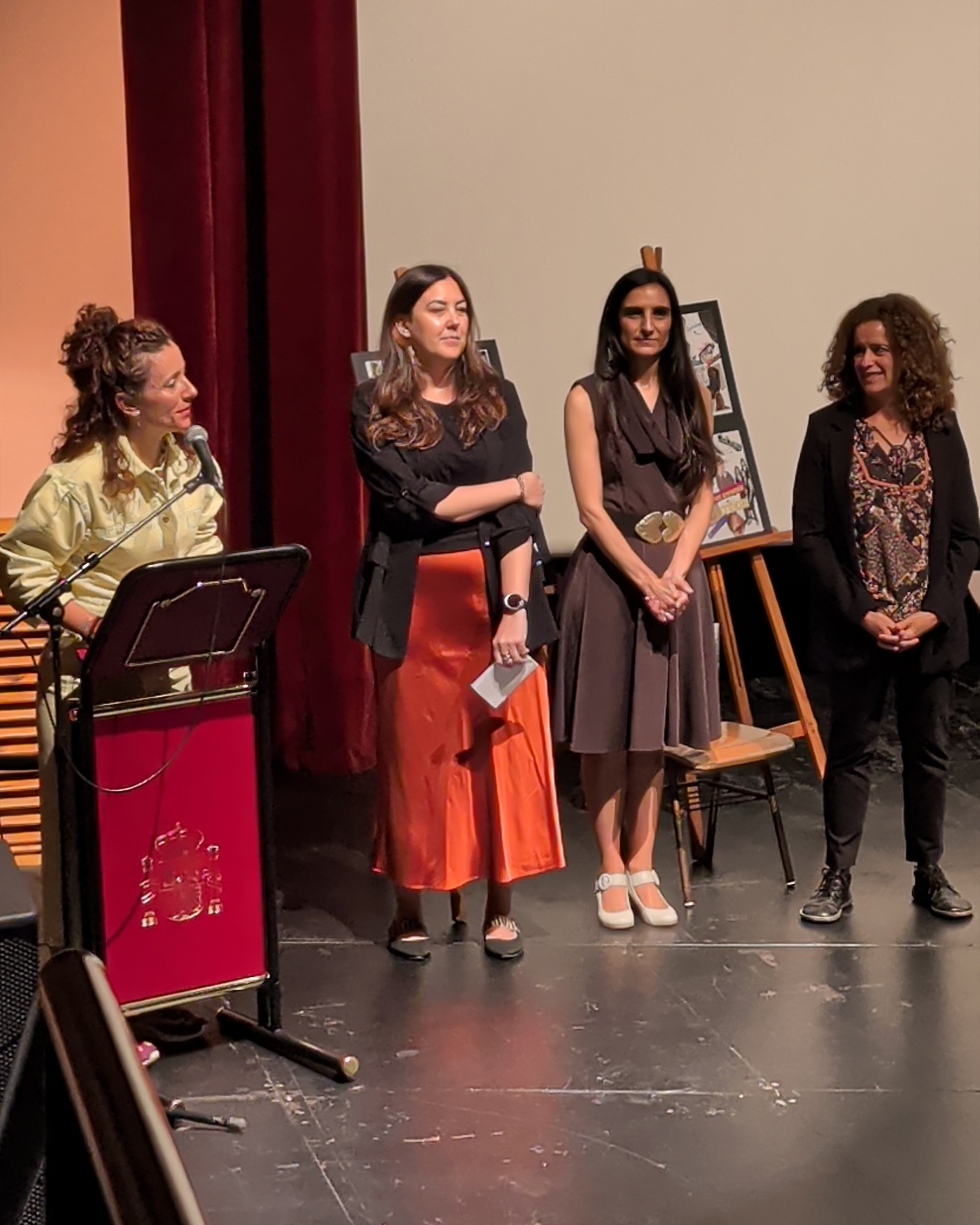
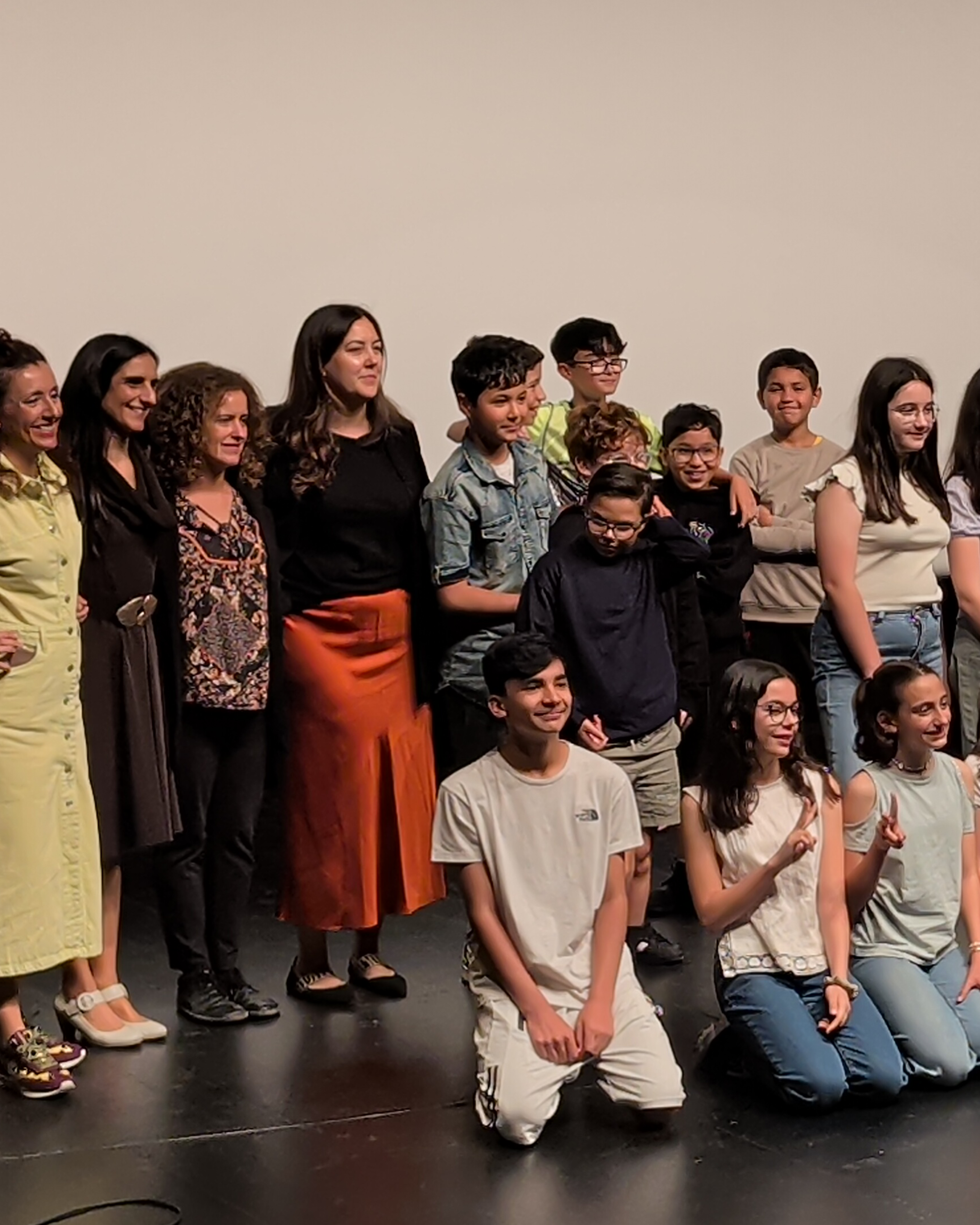
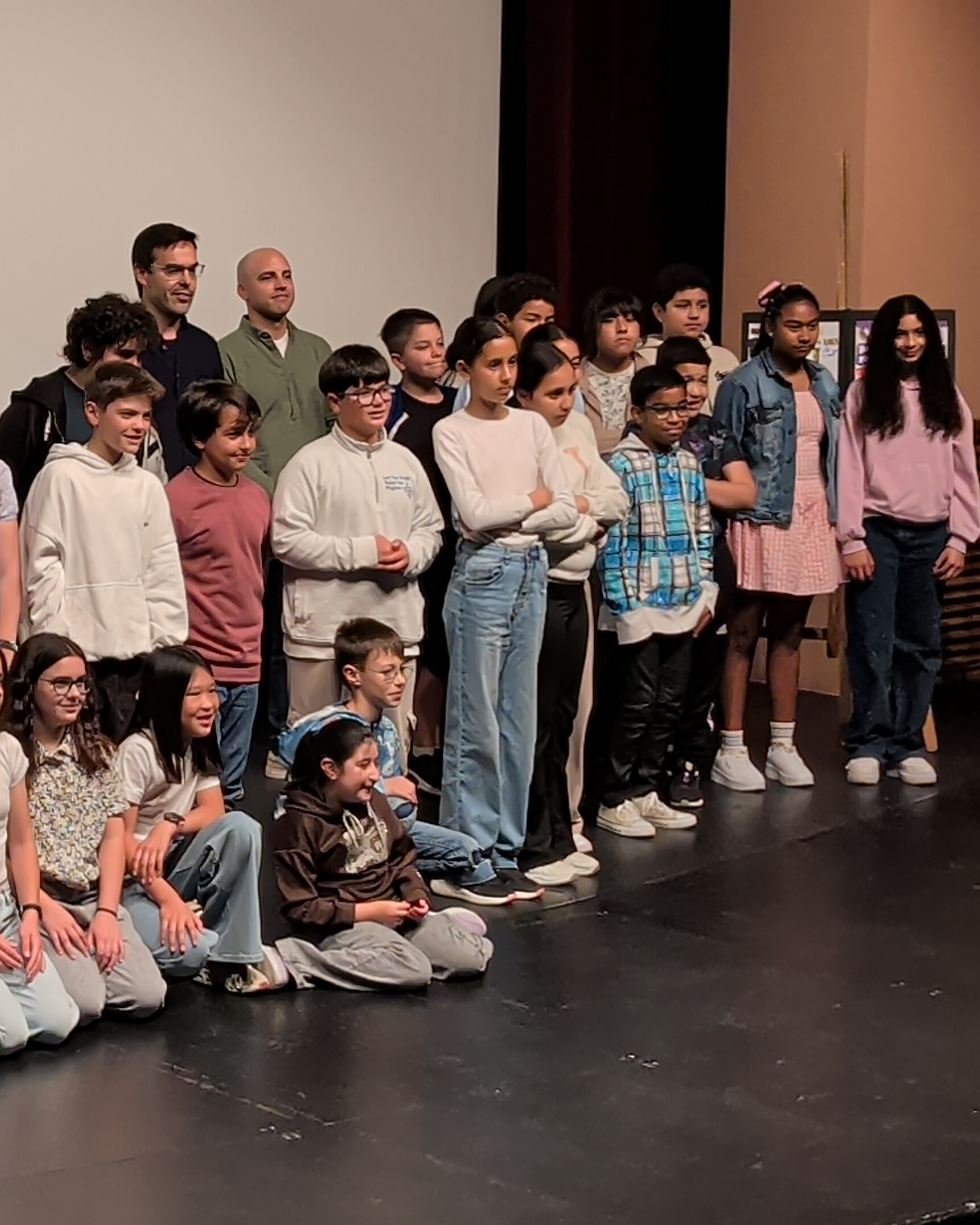
- Presentation and mediation: screening at the school and dialogue with students, teachers, and families, including evidence gathering for evaluation.
What remains at the school
The outcome is a video art piece created by the students, along with tools that support continuity: pedagogical materials, replicable learning, documentation, and a shared perspective on coexistence and care.
Videoart
Making off
