Creative Landscapes. Terres de l’Ebre
Creative Landscapes is a context-based creation program that connects DAR artists from the Terres de l’Ebre with students in local public schools. Through participatory workshops and a final exhibition at the Museu de l’Ebre, the project brings together contemporary art, education and landscape, fosters students’ creativity and critical thinking, promotes equality and strengthens community ties. The initiative is funded by the Government of Catalonia’s Art and Education program.
What it is
In Primary Education the work is led by Antònia Ripoll and Marta Vidal and starts from river observation and Land Art practices. Also it is carried out with Gemma Ginovart, who invites students to explore body, voice and image in order to build a short, collectively created performance. The entire pathway is agreed with the teaching teams and embedded in school life so that sessions have continuity and dialogue with regular learning.
Participating schools and levels
Participants include ZER Riu Avall, with CEIP La Pineda de Tivenys and CEIP Bítem and Institut Escola Daniel Mangrané in upper Primary.
Workshops and methodology, by artist
Primary with Antònia Ripoll and Marta Vidal, ZER Riu Avall
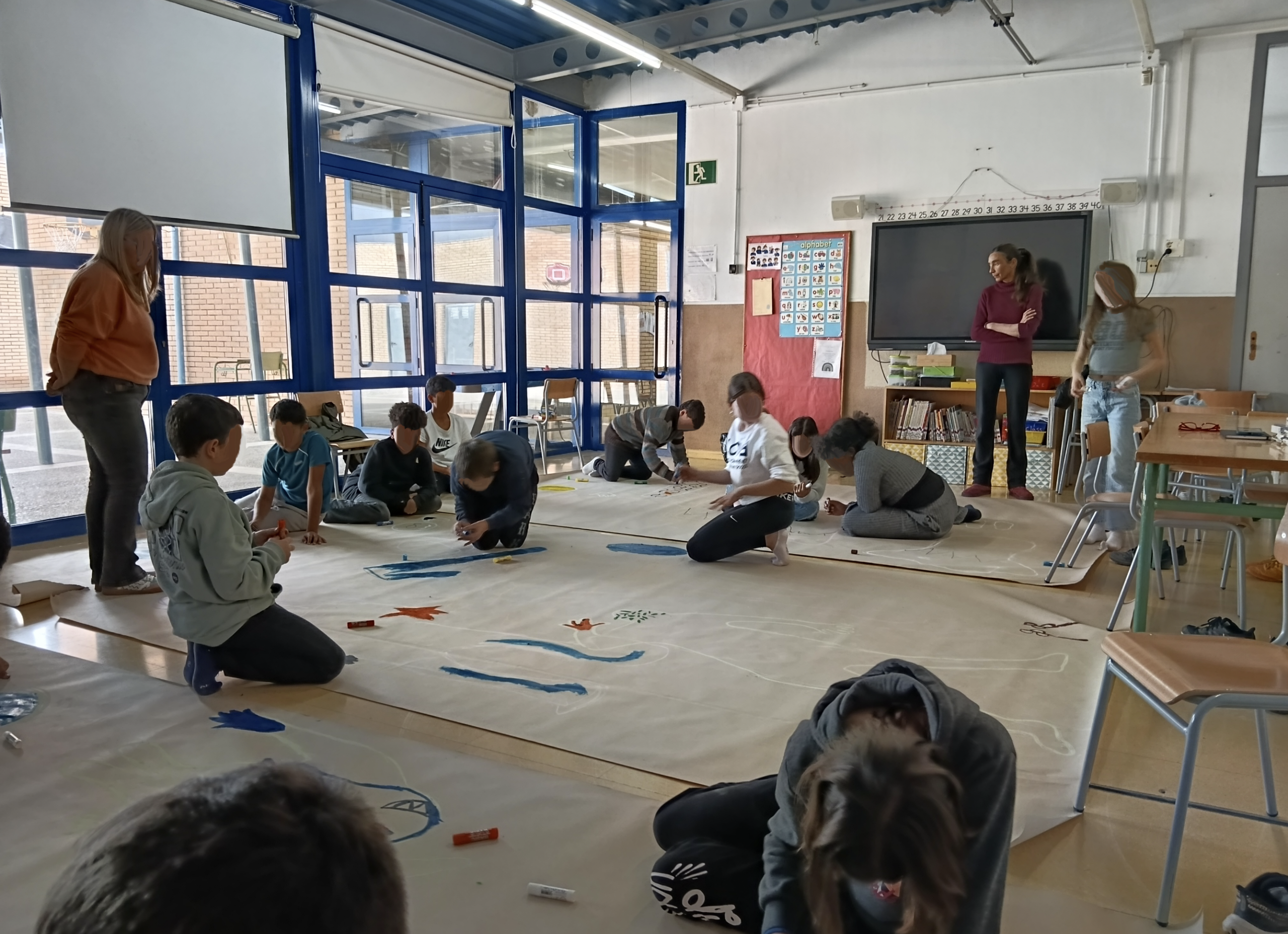
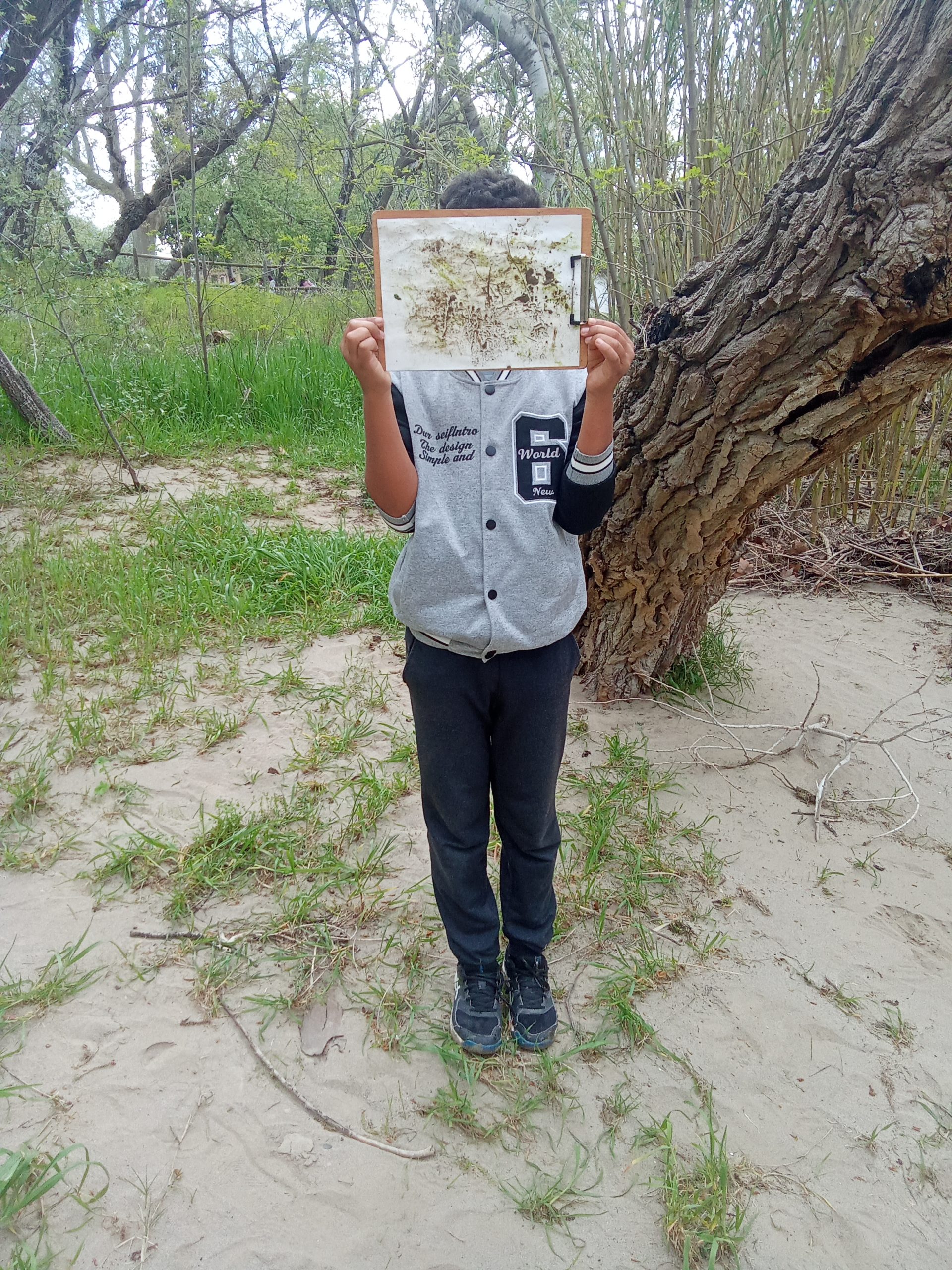
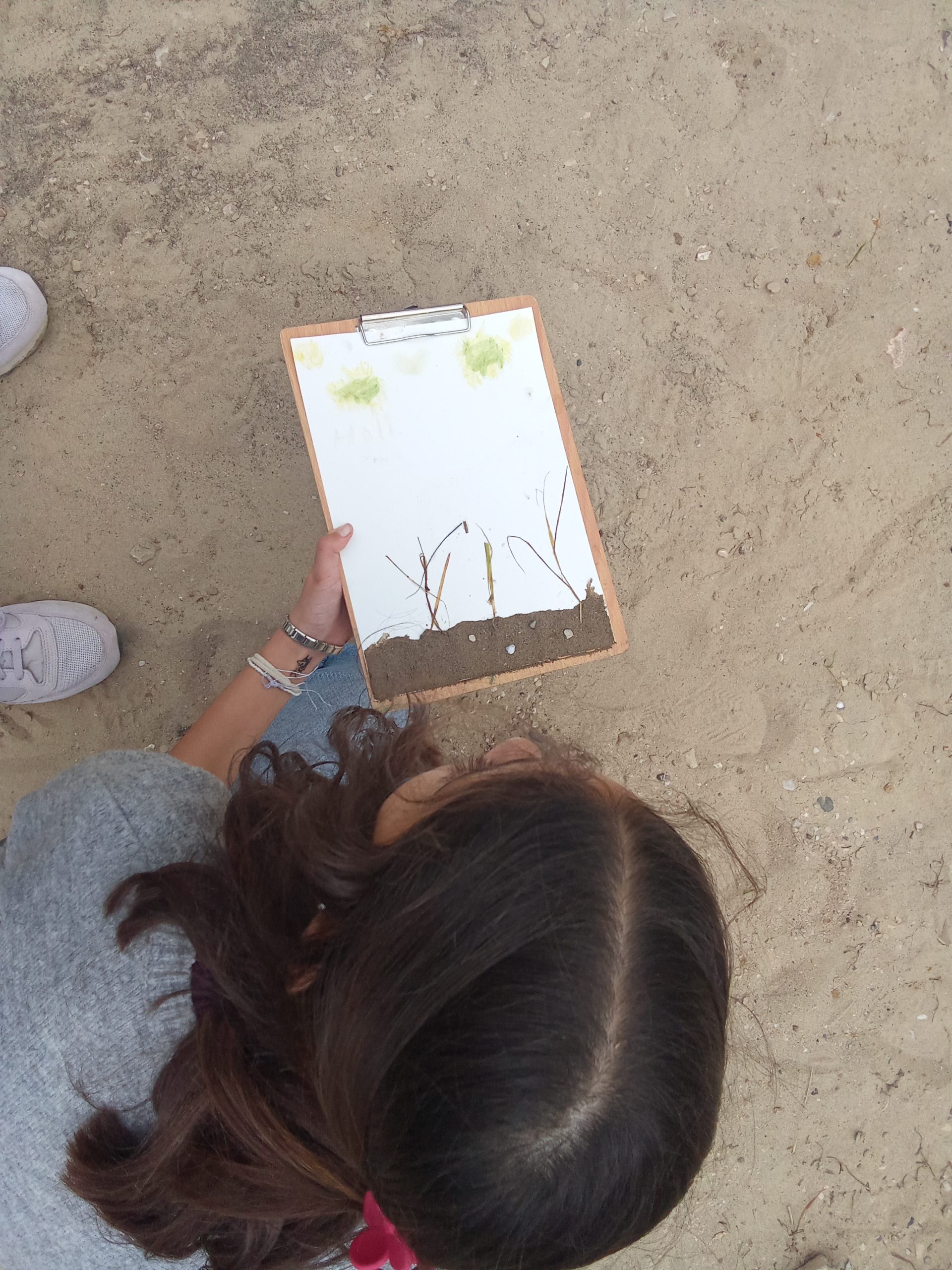
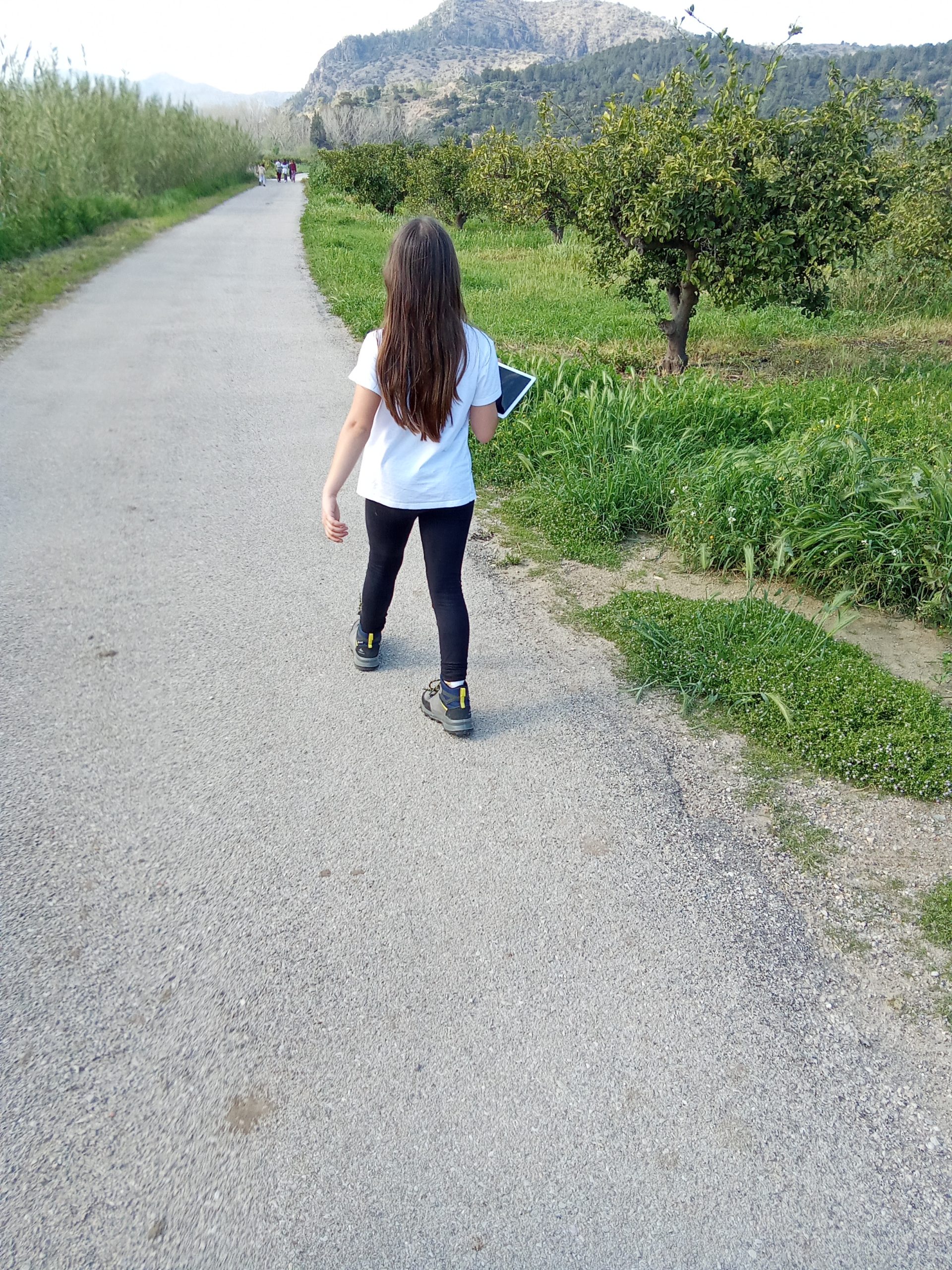
Students begin with a short walk by the river to learn to look slowly, record what they see and talk about forms, rhythms and traces left by the water. Back in the classroom, they organise findings, compare ideas and try simple visual solutions to see what holds, what connects and what makes sense as a whole. The project advances through shared decisions and continuous documentation, field notebooks, photographs and short notes. The museum presentation takes the form of collective installations and documented Land Art interventions that explain how each proposal was developed.
Primary with Gemma Ginovart, Institut Escola Daniel Mangrané
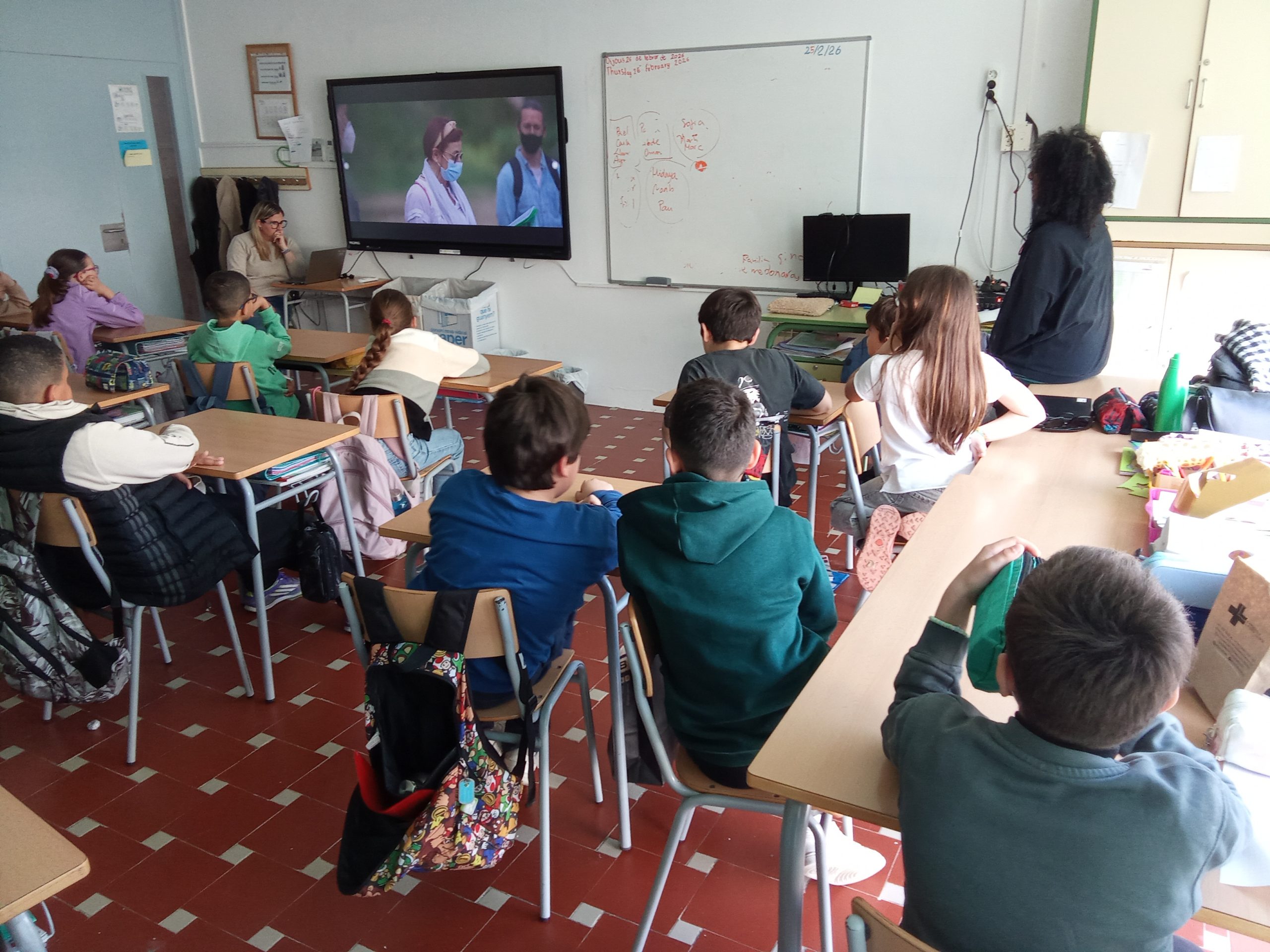
Sessions create conditions for listening and being heard. Breathing and body awareness are introduced, gestures are tested and images of the territory are explored to turn them into simple actions. From these trials, sequences are built, entrances and exits are rehearsed and the group decides how to order scenes and what support, spoken word, silence or projection, helps communicate the idea. The process culminates in a short, collectively created performance recorded on video, which can dialogue with the exhibition space through projections, movement scores and sound fragments.
Exhibition
The journey ends at the Museu de l’Ebre, where the artists’ works are shown alongside the students’ creations. The exhibition brings together installations, audiovisual records and process materials, allowing visitors to understand not only the final outcome but also the shared path between school, artists and territory.